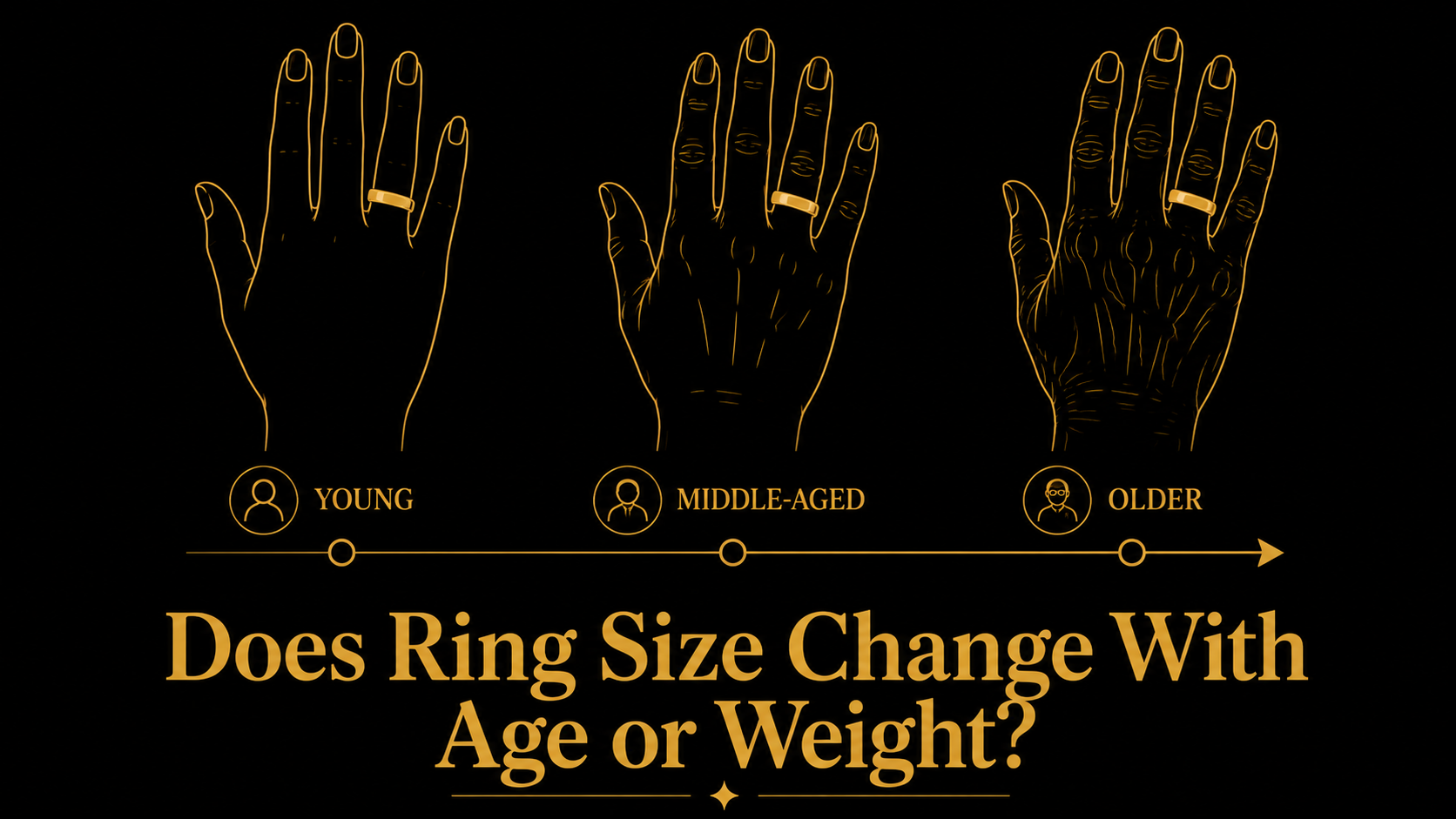
Can your ring size change? Yes, and often more than people expect. Do ring sizes change? Absolutely. Ring fit can shift with aging, weight loss, weight gain, pregnancy, temperature, and even the time of day. That is why a ring that felt perfect a year ago can suddenly feel tight in one season and loose in another.
The important point is not just that change happens. It is when to expect it and what to do when it starts affecting comfort. Small fit changes are normal. The smarter response is to remeasure at the right time instead of forcing an old size to keep working forever.
Does Ring Size Change With Age?
Yes. Age changes skin, joints, circulation, and the way fingers respond to swelling. Some people find that fingers thicken over time, while others find that the base of the finger stays similar but the knuckle becomes harder to pass because of joint changes. Arthritis can make this even more noticeable.
This is why an old ring size memory is not always reliable later in life. The finger and the route over the knuckle can both change, and each affects what feels comfortable. For a closer look at joint-related changes specifically, see how arthritis affects ring size.
Does Ring Size Change With Weight Loss or Gain?
Yes. Ring size does change with weight loss and weight gain because fingers store soft tissue and respond to fluid balance. How much does ring size change with weight loss? A meaningful weight change of 10 to 15 pounds can shift ring fit by around half a US size, and sometimes a full size or more depending on how your body distributes the change.
That is why a ring can feel noticeably loose after weight loss or uncomfortably tight after weight gain even when the difference seems modest in other parts of the body. Fingers tend to reveal body composition changes faster than you might expect.
Height itself does not directly affect ring size, but there is a general connection between overall body size and finger circumference. Taller or larger-framed people tend to have larger fingers on average, which is why some charts show average ring size by height and weight as a rough guide. That said, ring size based on height and weight is only a population-level approximation. It is weight and body fat distribution, not height, that drives actual ring size changes over time for any individual.
Does your ring size change when you lose weight? Yes, and it can happen faster than most people expect. Because fingers are close to the body surface, even moderate fat and fluid loss becomes noticeable there before it is obvious elsewhere.
Does Ring Size Change During Pregnancy?
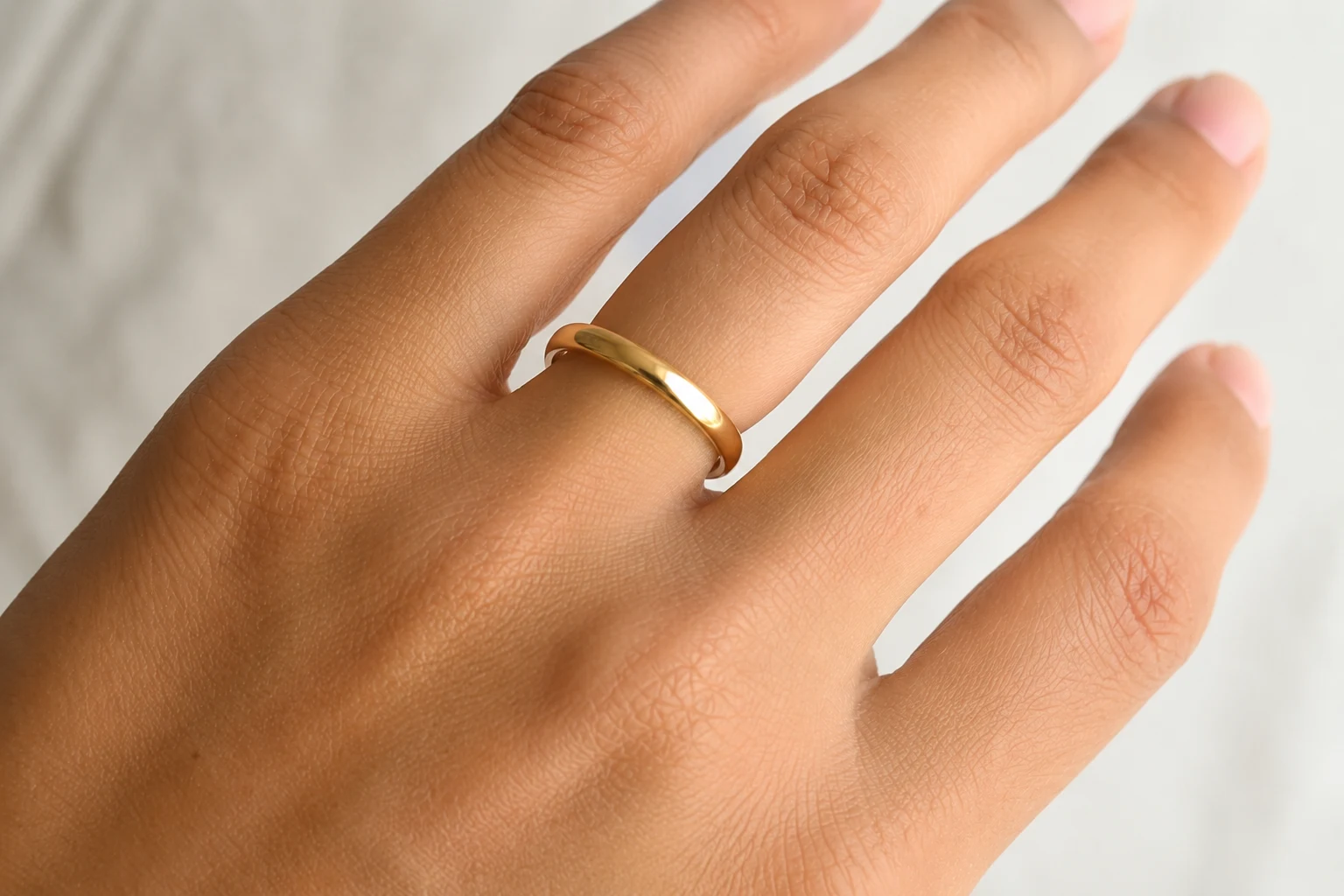
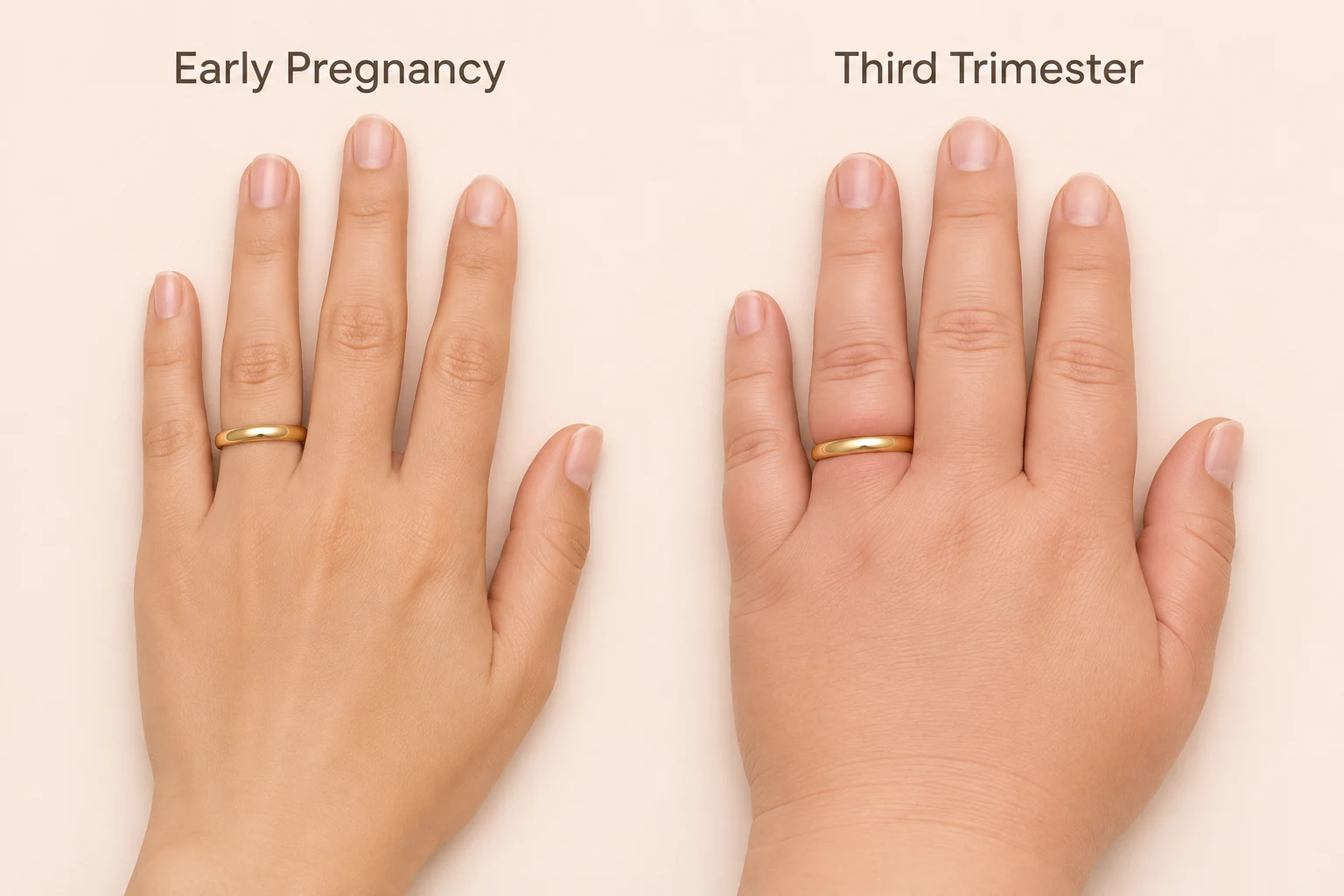
Yes. Pregnancy commonly causes swelling, which can push ring size up by one or even two sizes for a period of time. For many people that swelling reduces after birth, but the timeline is different for everyone and the final fit may not return exactly to its old number right away.
Because of that uncertainty, it is usually better to avoid permanent resizing during peak pregnancy swelling unless a jeweler advises it and the need is urgent. For a full guide on managing fit changes through pregnancy, read ring size during pregnancy.
Does Ring Size Change With Temperature?
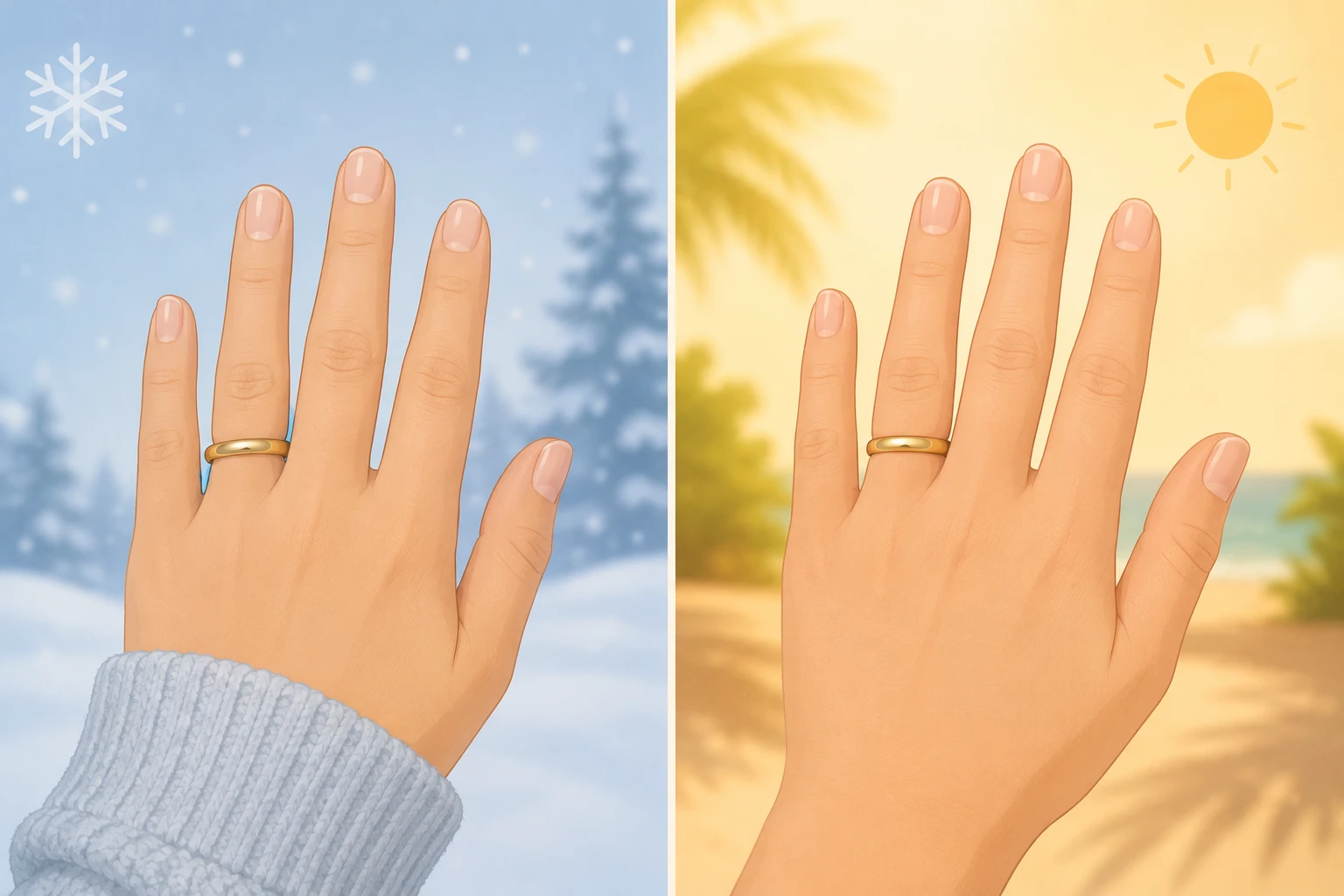
Yes. Fingers are usually larger in warm weather and smaller in cold weather. Even one day can include noticeable fit changes if you move from air conditioning to outdoor heat or if your circulation changes after exercise. A half-size swing is not unusual for some people.
That is why a ring can feel perfect one hour and annoying the next. Temperature does not mean your true size changed forever. It means your finger is reacting to current conditions.
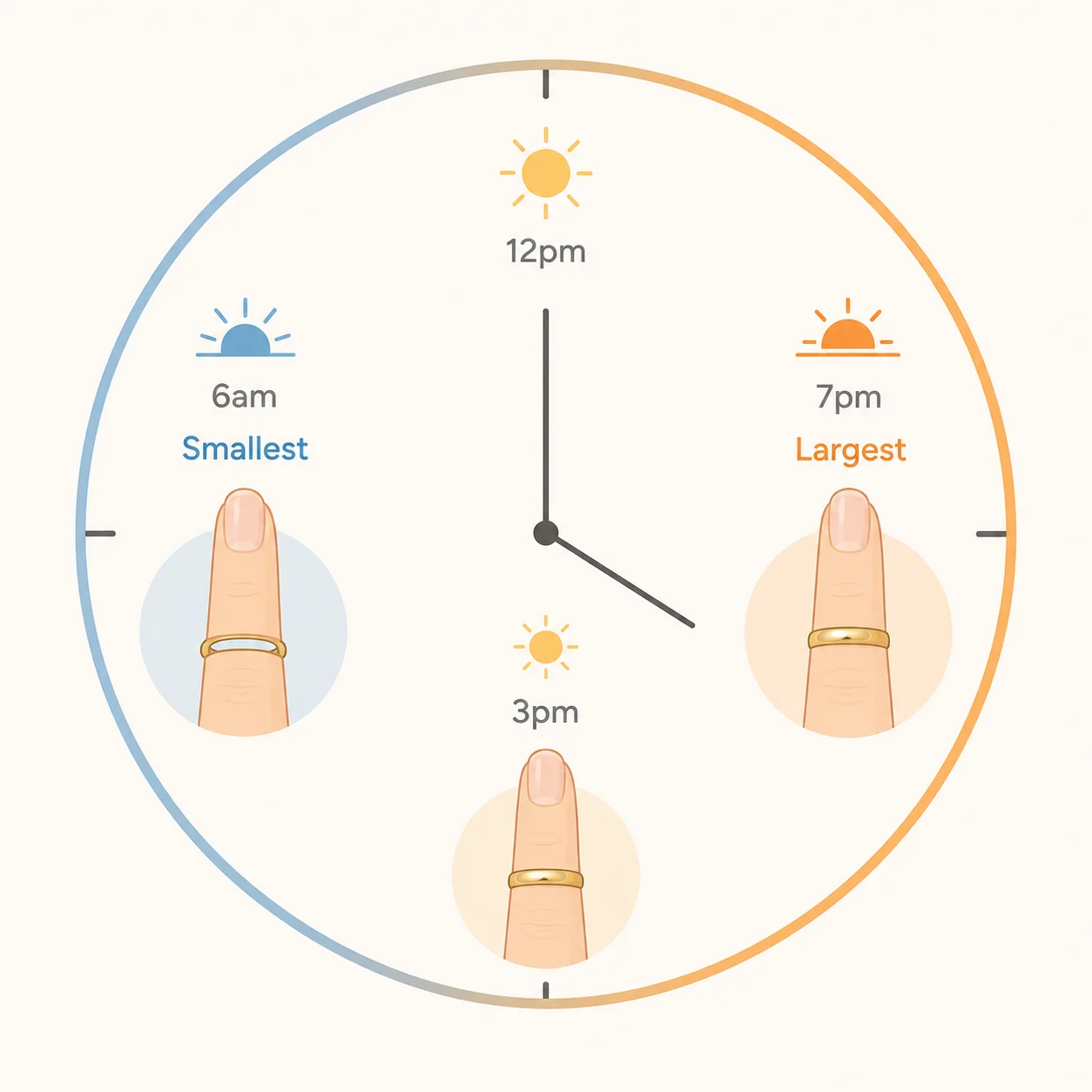
Time of Day - Why Evening Is Best for Measuring
Many people measure most accurately in the evening because fingers tend to be a little larger later in the day. Fluid build-up, normal daily activity, and body heat all contribute to that shift. Measuring too early can produce a size that feels tight later.
If you are between two sizes, an evening measurement is often the better basis for a comfortable fit. It gives you a result closer to the larger end of your normal day rather than the smallest moment.
Which Finger and Which Hand?
Not every finger matches, and the same finger on the other hand may not match either. The dominant hand is often slightly larger, and the ring finger on the left hand may differ from the ring finger on the right by about half a size. That is normal.
This is why borrowed-size guesses fail so often. A ring that fits one hand or one finger well does not automatically transfer to another finger with the same comfort. For more detail on how the two hands typically compare, read does ring size differ between left and right hand.
What to Do If Your Ring No Longer Fits
If the ring is only slightly loose, a temporary ring guard may help. If it is slightly tight, do not force it on and do not wait for the problem to become painful. Check the size again and talk to a jeweler about resizing if the ring style allows it. For an idea of what resizing typically costs, see how much ring resizing costs.
The key is to separate temporary swelling from a lasting size change. A hot day may not require resizing. A long-term pattern probably does. If your ring feels looser after years of daily wear rather than a change in finger size, see do rings stretch over time for an explanation of how metal bands can gradually deform.
When to Remeasure Your Ring Size
Remeasure after a significant weight change, after pregnancy, when a once-comfortable ring suddenly feels wrong, or when you are ordering a new ring after a long gap. It is also smart to recheck before buying a wide band, since width can change comfort even if your base size stayed similar.
A fresh measurement is easier than fixing the wrong order later. If your size changed once, it can change again, so there is no benefit in relying on an old number just because it was correct in the past. For specific guidance on children whose ring sizes change rapidly during growth, see how to measure ring size for kids.
Use Our Free Ring Size Calculator
Our ring size calculator helps you check your current fit instead of relying on an old memory. That is especially helpful after life changes like pregnancy, weight shifts, or a long gap since your last ring purchase.
For a full measuring refresher, read how to measure ring size at home. If you want to compare your new measurement against common defaults, the next useful guide is what is a standard ring size.
FAQ
Does your ring size change?
Yes. Ring size changes regularly for most people. Weight loss, weight gain, age, pregnancy, temperature, and even the time of day can all shift how a ring fits. A ring that fit well in the past may no longer be the right size, which is why remeasuring before any new ring purchase is always the safer choice.
Will my ring size change if I lose weight?
Very likely. Weight loss commonly reduces finger size because fingers lose soft tissue and fluid along with the rest of the body. Even a loss of 10 to 15 pounds can make a previously snug ring feel loose. The more weight you lose, the more noticeable the change.
How much does ring size change with weight loss?
Around half a US size for a meaningful weight loss of 10 to 15 pounds, and potentially a full size or more with larger changes. The exact shift depends on how your body distributes fat and where fingers store soft tissue.
Can ring size change with weight loss?
Yes, ring size can change with weight loss. Fingers lose soft tissue and fluid as body weight drops, which reduces finger circumference. The change is gradual for modest weight loss and more pronounced with larger losses. If a ring that once fit snugly now slides around, weight loss is usually the first thing to check.
Can pregnancy permanently change ring size?
Sometimes. Many people return close to their earlier size after pregnancy swelling goes down, but some find that the long-term fit still changes.
Why does my ring fit differently in winter?
Cold weather can make fingers shrink slightly, which often makes rings feel looser than they do in warm weather.
How often should I measure my ring size?
Measure again whenever your fit changes noticeably, after major body changes, or before an important new purchase if your last measurement is old.
Do ring sizes get bigger with age?
Often yes, but not always in one direction. Fingers can thicken with age due to weight changes, reduced skin elasticity, and soft tissue accumulation around joints. However, arthritis can change the shape of the knuckle in ways that affect how a ring slides on, even if the base of the finger stays similar. Aging generally means ring size becomes less predictable, which is why remeasuring periodically matters more as you get older.
Do ring sizes change with weight?
Yes. Weight gain tends to increase finger circumference, making rings feel tighter. Weight loss reduces finger size and can make previously snug rings feel loose. The change is gradual for modest weight shifts and more pronounced with significant body weight changes. Even a 10 to 15 pound change can shift ring fit by around half a US size.